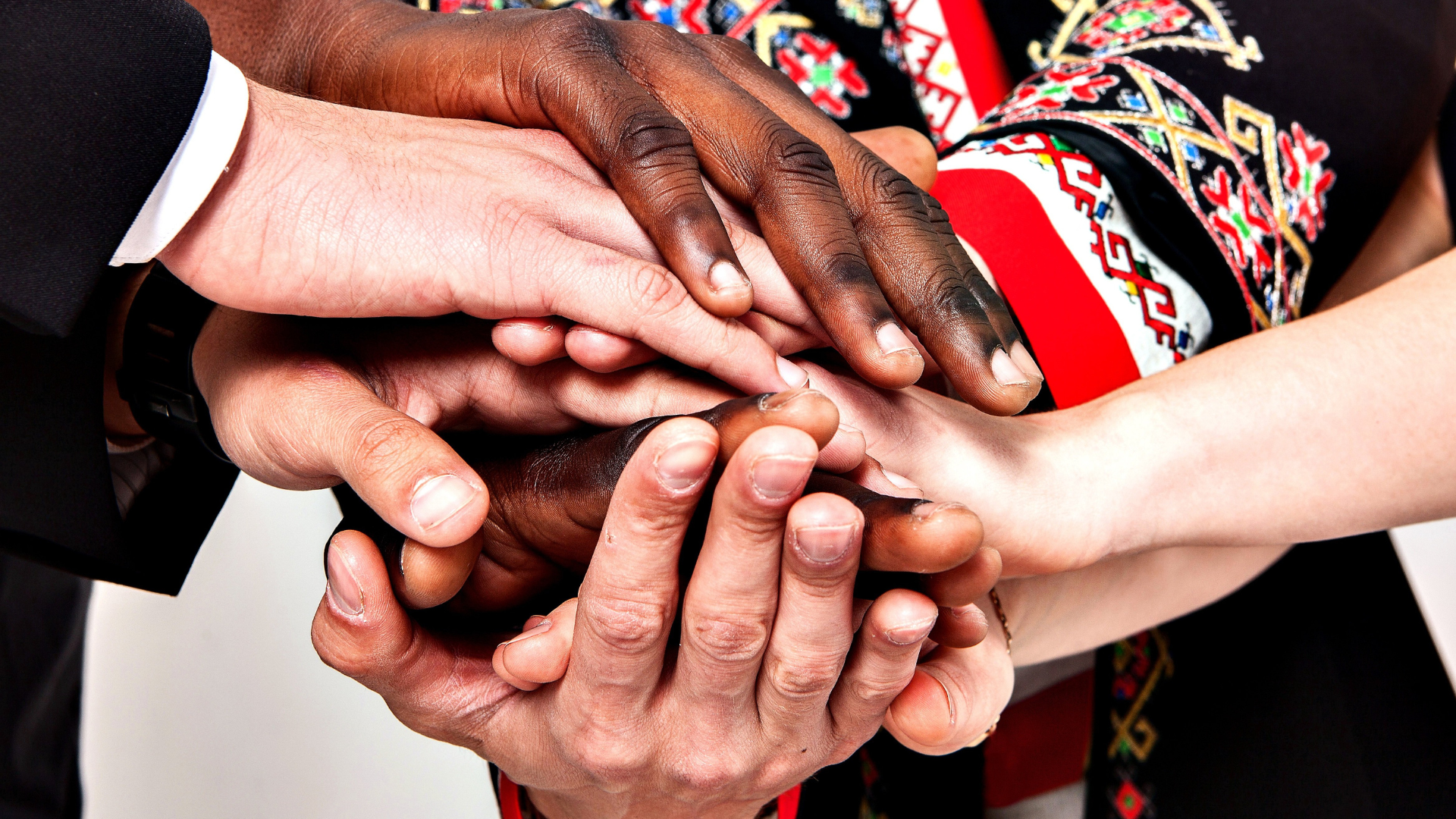






International Migrants Day, observed every year on December 18, was established by the United Nations in 2000. The date refers to the adoption of the International Convention on the Protection of the Rights of All Migrant Workers and Members of Their Families. The purpose of this day is to draw public attention to the situation of migrants worldwide and to promote respect for their rights.
Migrants play a significant role in the economic, social, and cultural development of the countries they move to. They fill gaps in the labor market, contribute to innovation, and enrich societies with their knowledge, experience, and cultural diversity. At the same time, they often face numerous challenges, such as discrimination, insecure working conditions, language barriers, and limited access to public services.
International Migrants Day is an opportunity to hold debates, information campaigns, and educational activities aimed at countering stereotypes and xenophobia. It is also a moment to reflect on national migration policies and the need to build systems based on solidarity, responsibility, and the protection of the dignity of every person—regardless of their origin or residency status.
In the face of contemporary crises—armed conflicts, climate change, and economic inequality—the importance of this day continues to grow. It serves as a reminder that migration is a global and enduring phenomenon that requires international cooperation and long-term, humanitarian solutions.