




Candles lighting up cemeteries, colourful altars, lanterns and giant kites - the remembrance of the dead can take many forms. Although different customs accompany it in various parts of the world, they are united by the need to nurture bonds with loved ones and pass on their memory to future generations. How are these festivals celebrated in different cultures?
Poland – a time for reflection and remembrance
In Poland, the beginning of November is a special time dedicated to remembering the deceased. On 1 November, we celebrate All Saints’ Day, and on 2 November – All Souls’ Day, also known as the Commemoration of All the Faithful Departed. On these days, we visit cemeteries, tend to the graves, light candles and lay flowers. It is also an opportunity for family gatherings, remembering loved ones and reflecting on the transience of life.
Similar customs can be found in many countries, though not everywhere is the remembrance of the dead associated primarily with silence and contemplation. In some cultures, it is also an occasion for communal celebration, and even for organising colourful events.
Mexico – Día de los Muertos, a festival full of colour
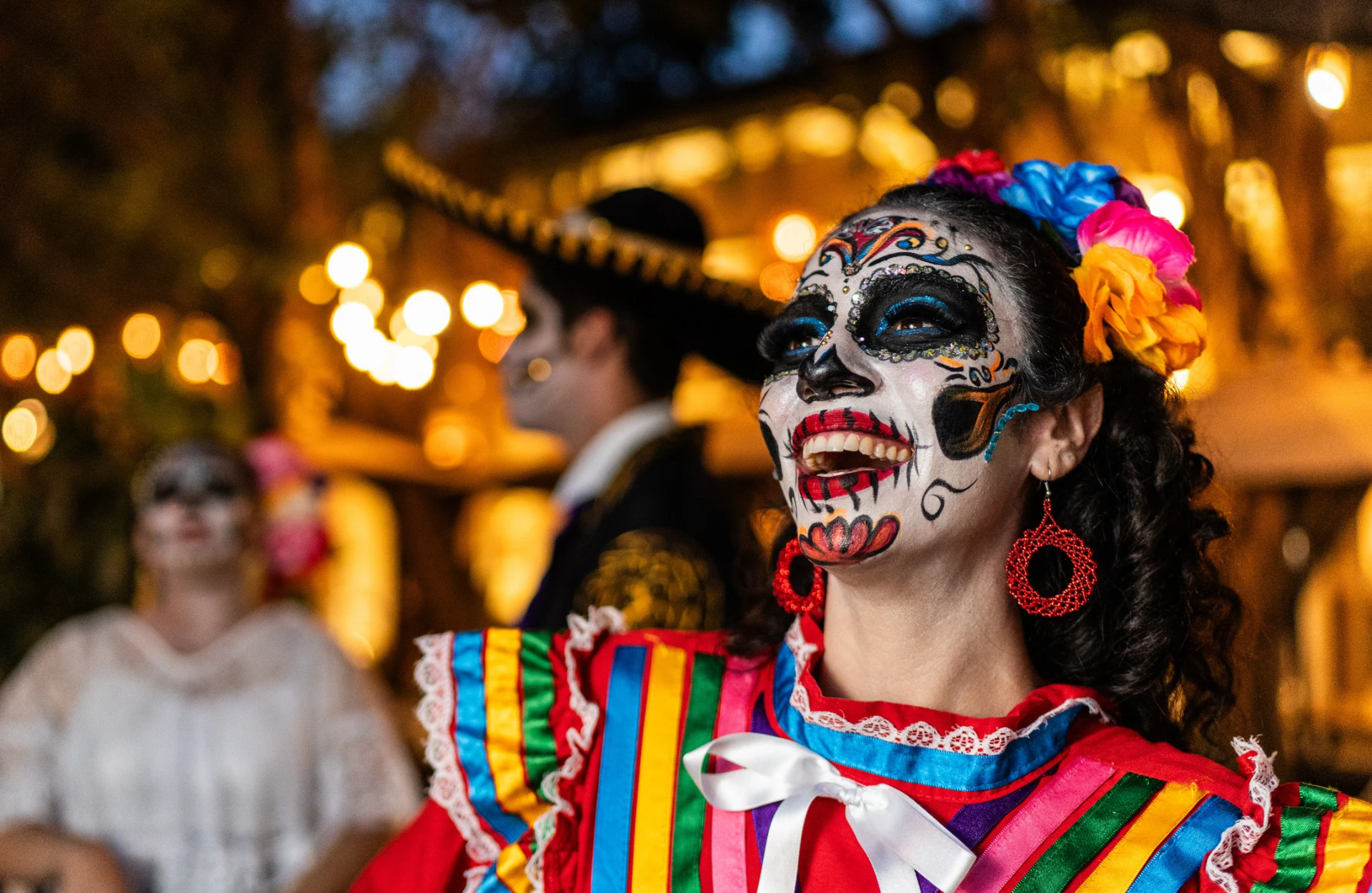
In Mexico, Día de los Muertos, celebrated mainly on 1 and 2 November, is one of the most recognisable traditions associated with remembering the dead. Contrary to the image of a festival steeped in sadness, it is often joyful, colourful and rich in symbolism.
Special altars, known as ofrendas, are set up in homes and cemeteries. They are adorned with photographs of the deceased, candles, favourite foods, drinks and the distinctive orange marigold flowers, known as cempasúchil. Decorated skulls, including the famous sugar skulls, are also an important feature.
According to tradition, at this time the souls of the dead return to visit their loved ones. Families therefore cherish their memories, share stories and prepare a space for a symbolic reunion with those who have passed away. The Día de los Muertos shows that remembering the dead can also be a celebration of life, love and the moments spent together.
Japan – Obon: a reunion with ancestral traditions
In Japan, Obon is an important period dedicated to honouring the memory of ancestors, usually celebrated in mid-July or August, depending on the region. This festival has Buddhist roots, during which many families return to their hometowns, visit graves and pay their respects to the deceased.
At home, food offerings are prepared, whilst lanterns are lit outside houses and in temples. In some places, traditional Bon Odori dances are organised, in which locals and visitors take part. Meanwhile, as part of the tōrō nagashi custom, paper lanterns are set afloat on the water, symbolically accompanying the spirits on their journey home.
Obon is not only a time for reflection, but also an important family and social event. It emphasises the importance of intergenerational bonds and respect for those who came before us.
China – Qingmingjie: remembrance expressed through care
Qingmingjie, also known as the Tomb-Sweeping Festival, usually falls on 4 or 5 April. It is a tradition during which families visit the burial sites of their ancestors, tidy the graves, lay flowers and pay their respects to the deceased.
In some communities, these customs are accompanied by the offering of food and the burning of paper objects symbolically intended for the deceased. The festival combines remembrance of ancestors with care for family heritage. As Qingmingjie takes place in spring, many people also use this time to go for walks and enjoy nature as it comes back to life.
This is an example of a tradition in which remembrance is not confined to a single day on the calendar, but is expressed through concrete gestures and the nurturing of family history.
Guatemala – giant kites as a symbol of remembrance
In Guatemala, on 1 November, All Saints’ Day, some towns host an extraordinary event that attracts the attention of both locals and tourists. In Sumpango and Santiago Sacatepéquez, huge, colourful kites, handmade from paper and other materials, are flown on this day.
Preparing them requires many weeks of work and the cooperation of entire communities. The kites are often adorned with intricate patterns and symbols, and their creation serves to pass on local stories and traditions to future generations.
This custom is linked to local beliefs and symbolises a connection between the world of the living and the world of the dead. It is a remarkable example of how the memory of loved ones can be intertwined with art, collective action and cultural identity.
Different traditions, shared values
Customs associated with commemorating the deceased vary depending on the country, religion and local community. In some places, silence, prayer and lit candles prevail; in others, colourful decorations, music, family gatherings or symbolic rituals.
It is worth remembering that there is no single, universal way of mourning or showing respect for the deceased. Every culture has developed its own practices, which reflect its history, beliefs and values.
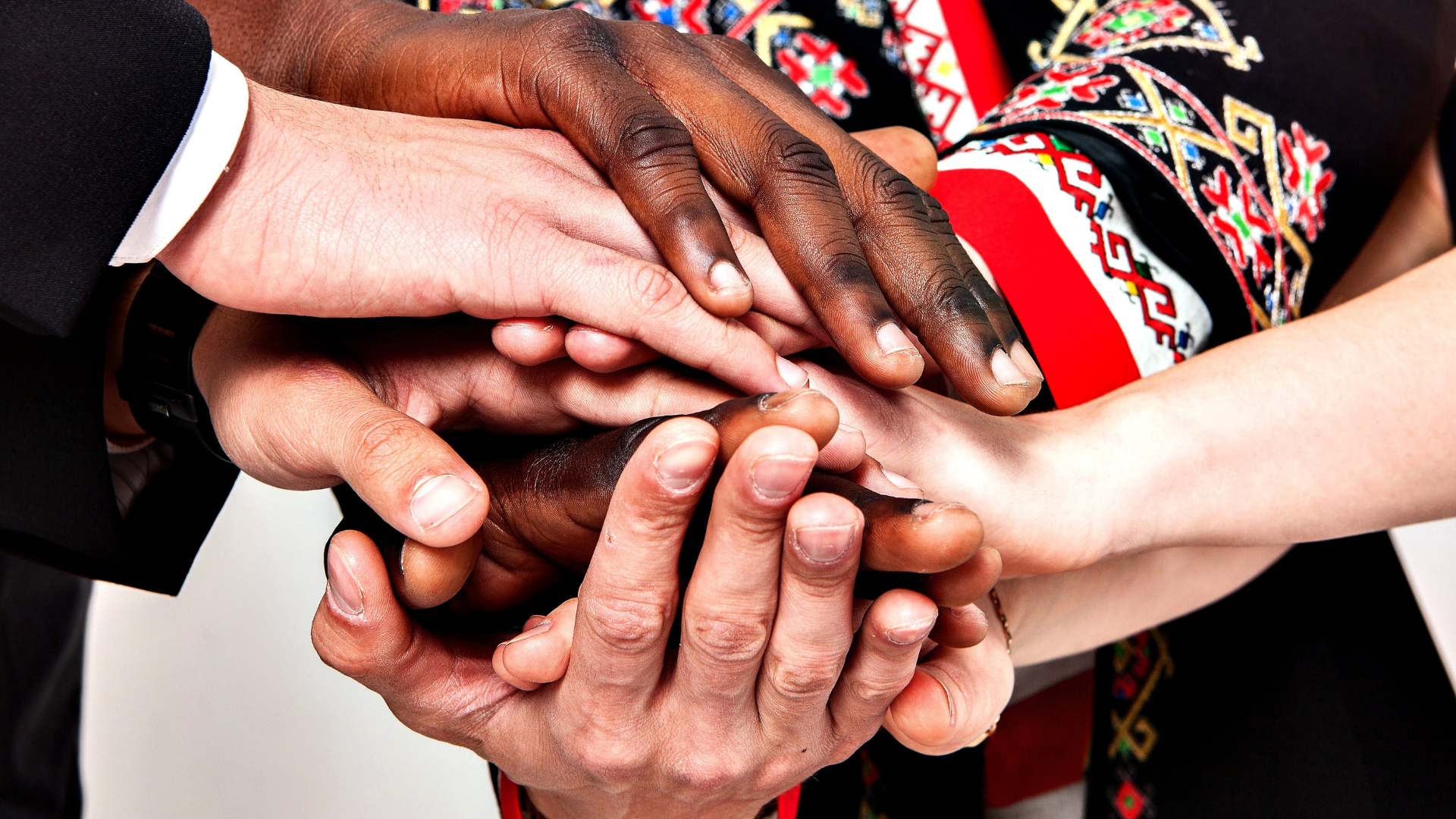
Learning about these traditions allows us to better understand the world’s cultural diversity and to recognise that, despite the differences that divide us, we share many common experiences. The memory of loved ones, the need to nurture family ties and the desire to pass on history to future generations are present in many societies.
It is precisely these customs that remind us that learning about other cultures does not have to mean looking solely for differences. It can also be an opportunity to discover what we have in common, regardless of where we live.